Impedance in power systems explained | Eaton PSEC
8:55
Impedance is a measure of how much a circuit resists the flow of alternating current (AC). Meaning high impedance could result in less current, leading to potential inefficiencies and power losses. Seth So, Eaton Power Systems Experience Center Engineer, explains this and how impedance is the combination of resistance, capacitance, and inductance. Seth also discusses how Ohm’s law is used to measure impedance in AC circuits by replacing resistance (R) with impedance (Z). Seth also explains popular mnemonics and ratios used for impedance. We also illustrate impedance in conceptual detail and explain where impedance comes from regarding components. Finally, we discuss how impedance effects electrical power systems regarding power factor, harmonics, and motor starting. Thank you for watching one of our many educational videos on the topic of power systems. Schedule a visit to one of Eaton's Power Systems Experience Centers in either Pittsburgh or Houston to learn more! To learn more about Eaton products and our Power Systems Experience Centers: http://eaton.com/experience To view more educational videos from Eaton's Power Systems Experience Centers: http://videos.eaton.com/experience Chapters 0:00 00:12 Intro 00:55 Impedance principles to know 03:54 Impedance in components 05:12 Impedance in motors 07:25 Impedance in power factor and harmonics 08:31 Conclusion #impedance #electricalimpedance #electricalengineering #electricity #powersystem #engineering #eatonexperience #experiencecenter #powerdistribution #electricalsafety #accircuits
Impedance is a measure of how much a circuit resists the flow of alternating current (AC). Meaning high impedance could result in less current, leading to potential inefficiencies and power losses. Seth So, Eaton Power Systems Experience Center Engineer, explains this and how impedance is the combination of resistance, capacitance, and inductance. Seth also discusses how Ohm’s law is used to measure impedance in AC circuits by replacing resistance (R) with impedance (Z). Seth also explains popular mnemonics and ratios used for impedance. We also illustrate impedance in conceptual detail and explain where impedance comes from regarding components. Finally, we discuss how impedance effects electrical power systems regarding power factor, harmonics, and motor starting. Thank you for watching one of our many educational videos on the topic of power systems. Schedule a visit to one of Eaton's Power Systems Experience Centers in either Pittsburgh or Houston to learn more! To learn more about Eaton products and our Power Systems Experience Centers: http://eaton.com/experience To view more educational videos from Eaton's Power Systems Experience Centers: http://videos.eaton.com/experience Chapters 0:00 00:12 Intro 00:55 Impedance principles to know 03:54 Impedance in components 05:12 Impedance in motors 07:25 Impedance in power factor and harmonics 08:31 Conclusion #impedance #electricalimpedance #electricalengineering #electricity #powersystem #engineering #eatonexperience #experiencecenter #powerdistribution #electricalsafety #accircuits
Electrical Similar Videos
-
Crouse-hinds series DALI lighting solution for hazardous areas
3:13
Overview of our DALI 2 LED solution, which provides full control of individual or grouped lights to meet the illumination needs of different operating conditions.
-
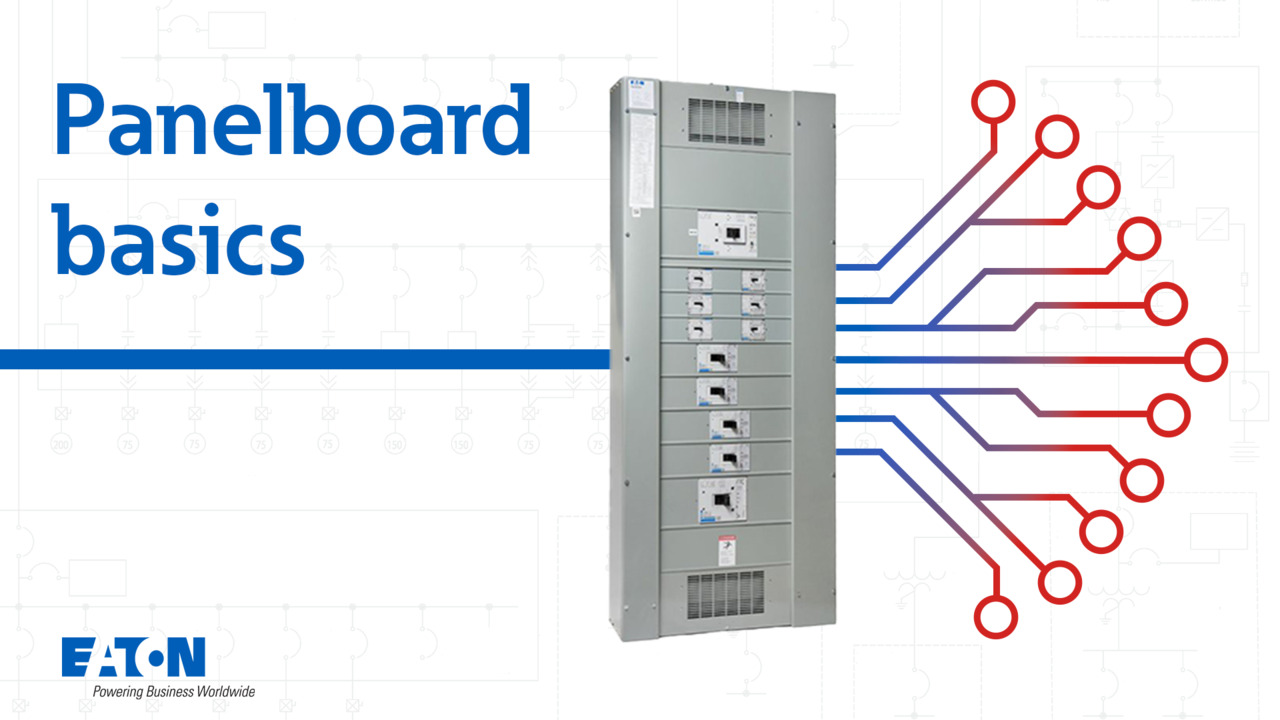
Panelboard basics | Eaton PSEC
14:34
Panelboards are used to safely distribute power by dividing a main power feed into branch circuits with a breaker or fuse, all within a common enclosure. Learn about panelboard components, design, types, standards, and applications.
-
Celebrating 20 Years of Eaton's Power Systems Experience Centers – A Message from Dan Carnovale
1:34
Dan Carnovale reflects on the 20th anniversary of Eaton's Power Systems Experience Centers (PSEC).